
The Allure of the Casino Floor
Casino adventures tap into fundamental human desires for excitement, risk, and the potential for significant reward. The carefully crafted environments of casinos are designed to engage the senses and foster a state of heightened anticipation. From the dazzling lights and ambient sounds to the tactile experience of chips and cards, every element is intended to immerse players in an experience that deviates from the ordinary. This sensory overload contributes to a feeling of detachment from everyday concerns, allowing the thrill of the game to take center stage, and it is here that many find themselves drawn to the offerings of plexian gb.
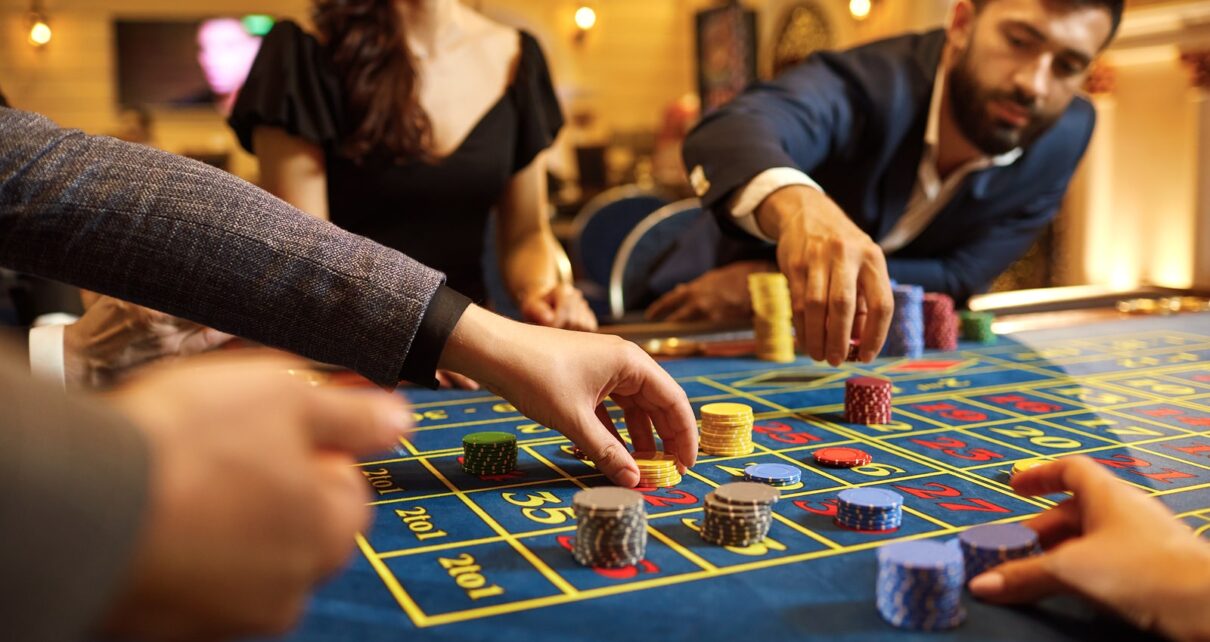
The psychological draw is amplified by the element of chance. The unpredictable nature of outcomes, whether it’s the spin of a roulette wheel or the turn of a card, creates a powerful dopamine release in the brain. This neurotransmitter is associated with pleasure and reward, reinforcing the behavior and encouraging players to continue seeking that next potential win. The near-miss phenomenon, where players come close to winning, can be particularly potent in keeping them engaged, fostering a belief that a win is just around the corner.
Understanding Risk and Reward in Gaming
At the core of casino adventures lies a complex interplay between perceived risk and the allure of reward. While the odds are statistically in favor of the house, the possibility of a substantial payout, however small, is what fuels the excitement. This perceived asymmetry between a relatively small investment (the bet) and a potentially massive return is a powerful psychological motivator. It taps into our innate human tendency to chase improbable but highly desirable outcomes.
Effective casino management understands this dynamic intimately. They create scenarios where players feel a sense of agency and control, even when the outcomes are largely predetermined by chance. Strategies like offering loyalty programs, providing free drinks, and creating an atmosphere of luxury all serve to enhance the player’s experience and encourage prolonged engagement. This environment is specifically engineered to make the perceived risk feel less daunting and the potential reward feel more attainable.
The Cognitive Biases at Play
Casino adventures are fertile ground for a variety of cognitive biases that can influence decision-making. The gambler’s fallacy, for instance, is the mistaken belief that if something happens more frequently than normal during some period, it will happen less frequently in the future, or that if something happens less frequently than normal during some period, it will happen more frequently in the future. In reality, each spin of the roulette wheel or hand of cards is an independent event.
Another common bias is the illusion of control, where players believe they can influence the outcome of games of chance through skill or luck. This can manifest in rituals, superstitions, or specific betting patterns. Furthermore, the availability heuristic can lead players to overestimate the frequency of wins because winning stories are more readily recalled or promoted than the far more numerous losses.
Strategies for Responsible Engagement
While understanding the psychology of casino adventures can be fascinating, it’s crucial to approach these environments with a mindful and responsible attitude. Setting clear budget limits before entering a casino and strictly adhering to them is paramount. This involves deciding on a maximum amount of money you are willing to lose and stopping play once that limit is reached, regardless of wins or losses.
It is also important to recognize that casinos are entertainment venues, not income-generating opportunities. Approaching them with the expectation of profit can lead to significant financial distress. Understanding the odds and the house edge in each game can help in making informed decisions about where to play, if one chooses to play at all. Taking breaks, avoiding playing when tired or emotional, and recognizing when to walk away are all vital components of a healthy approach to casino entertainment.

Plexus GB and Community Well-being
Organizations like Plexus GB, operating within the UK, often focus on initiatives that promote community well-being and provide support to individuals facing various challenges. While not directly involved in casino operations, their work frequently touches upon the broader societal impacts of leisure activities and financial decision-making. They may offer resources or guidance related to financial literacy, responsible spending, and addressing potential issues arising from gambling, which is a common form of casino adventure for many.
By fostering a supportive environment and providing access to valuable information, Plexus GB aims to empower individuals to make sound choices in their lives. Their efforts in community engagement and social impact underscore the importance of understanding human behavior and psychological influences, not just in entertainment contexts like casinos, but across all aspects of personal finance and well-being. This holistic approach is key to building resilient communities.